 Skip to content
Why Relocation Feels Stressful And How To Cope
Moving house is often listed among life’s most stressful events, alongside major changes like job loss or relationship breakdown.
It is not simply about boxes, trucks and logistics. It is a psychological transition that affects your identity, routines, relationships and sense of safety. In this post, we talk about the emotional challenges and help you manage them better.
Why Moving Is So Psychologically Stressful
1. Loss Of Familiar Routines And Place Attachment
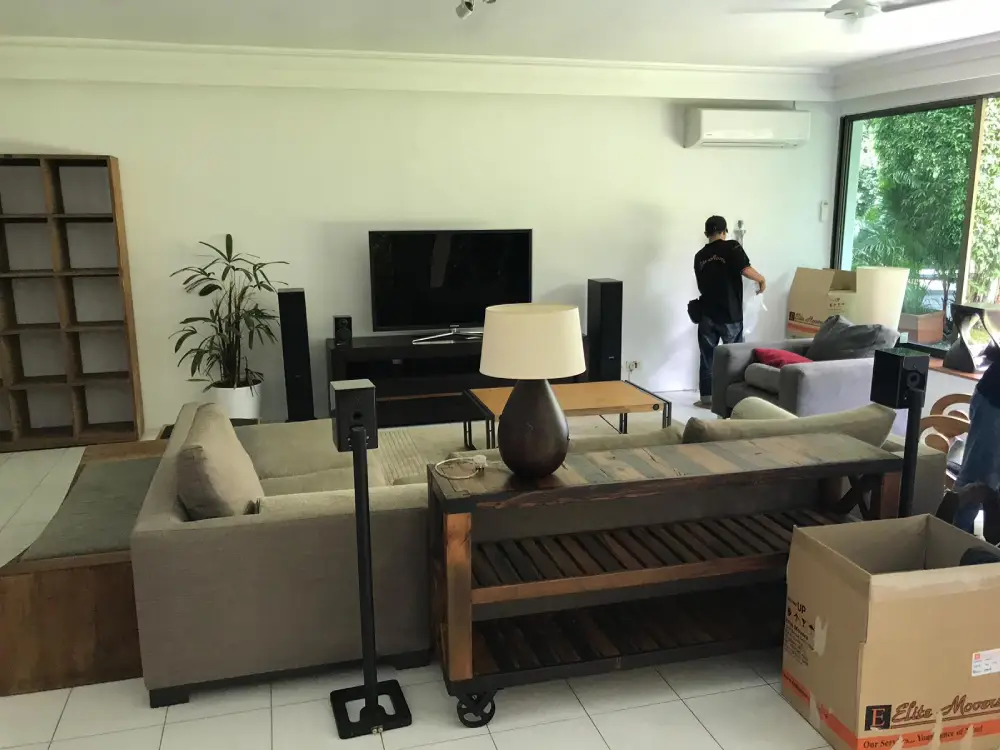
Psychologists call our emotional bond with places, place attachment (Science Direct). Place attachment proposes that as you spend time in a place, you invest meaning in the place; while it provides you with a sense of stability and control. It then becomes your identity and comfort zone.
When you move, you will lose familiar landmarks and routes like the market or coffee shop you frequent or the bus stop you go to. Everyday routines that used to be automatic becomes something you need to relearn. And you lose the memories that once was tied to your environmental cues. You lose the sense of “this is my place”.
This break in your routine and cues can cause you to feel displaced and show up as irritability or fatigue.
#2 Fear Of The Unknown And Uncertainty
Moving always involves stepping into the unknown. You have uncertainty about whether you like the new location, the new neighbours, if you fit in, and also involves new costs that can trigger anxiety.
This fear of the unknown activates your body’s stress response which makes it hard to sleep, concentrate or stay calm. For many people, this can last weeks before and after the move because of all the logistics and change in routine and environment.
#3 Multiple Life Stressors At Once
Often times when you move, it coincides with other major life events such as marriage, divorce, new job, family changes or financial pressures. These already significant stressors will amplify what you already feel.
#4 Decision Fatigue And Cognitive Overload
Moving comes with endless series of decisions. You need to decide which mover to hire, what to keep, donate or dispose, how to label boxes, the school your kids have to transfer to, how to arrange your furniture in the new home, and more.
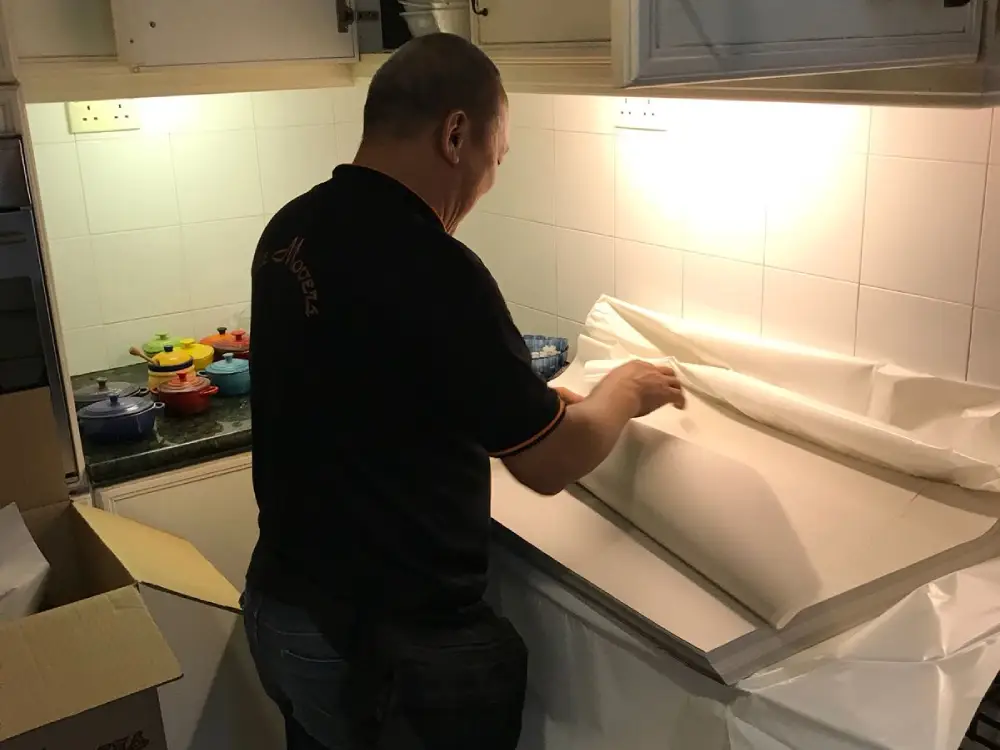
Our brains have limited decision-making energy daily. When this capacity is exhausted, we start to experience decision fatigue. And decision fatigue can show up as:
- Procrastination and avoidance
- Snapping over “small” decisions or minor inconveniences
- Making impulsive choices
#5 Social Disconnection And Loneliness
Relocation can disrupt your social networks. When you move away from your family or friends who were once living close to you, even if you are excited about the move, leaving behind people you know can feel like a loss.
Without deliberate effort to rebuild social connections, this sense of loneliness and isolation can feed into anxiety or low mood in the long term.
How to Cope With Moving Stress Before the Move
#1 Name Your Stress And Normalise It
You should start by recognising that feeling stressed, tired or emotional about moving houses is normal. Simply naming what you’re going through will help you to feel less ashamed or confused with everything that’s been going on.
You can have emotional ups and downs during big transitions and feeling excited and sad at the same time doesn’t mean what you’ve made the wrong decision.
#2 Plan Early And Break Tasks Into Small Steps
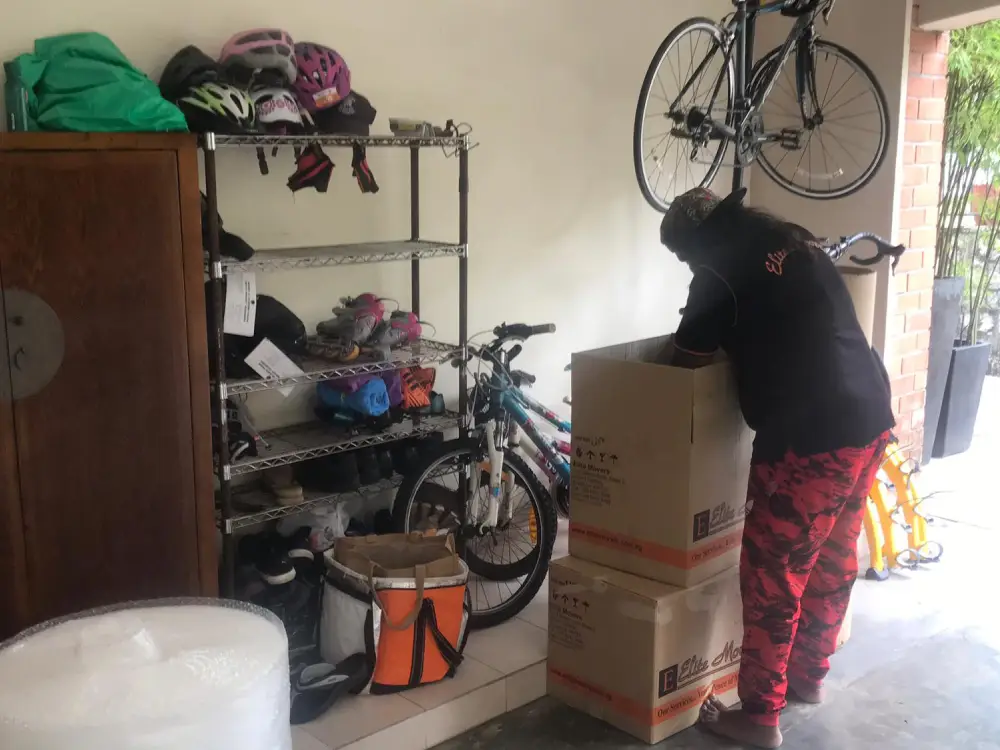
A lot of moving stress comes from trying to do everything at once without ample time for planning. We talk about this in our tips for house moving post.
To reduce your stress, start planning for your moves at least 2-4 weeks in advance. If you have a lot of items, we recommend at least 4 weeks in advance to plan and contact a house moving company.
Also, break your tasks into small steps such as: “packing the whole house” into “start decluttering the kitchen cabinets” and then focus on one step at a time.
#3 Declutter With Compassion, Not Perfectionism
Sorting through your belongings can bring back memories and emotions. Rather than aiming for a perfect result in decluttering, adopt a compassionate approach by:
- Setting realistic goals for each area or each day
- Use the Four-Box Method of decluttering (e.g. Keep, Donate, Throw, Relocate) in our decluttering guide (https://elitemovers.com.sg/ultimate-decluttering-guide/)
- Allow yourself to keep some sentimental items without guilt because they mean something to you
#4 Choose Professional Support Where It Helps
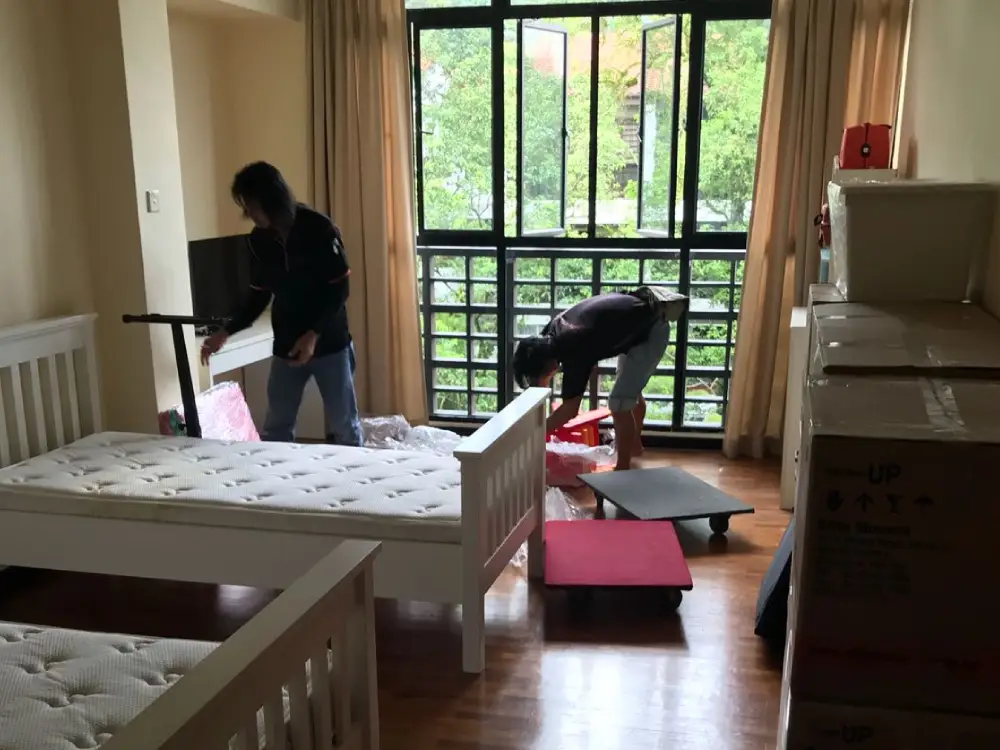
You can also enquire with your moving company to see if they offer packing and unpacking services so as to reduce your workload.
A good moving company can handle packing, transport, and even storage solutions so you can focus on your family and your own adjustment. At Elite Movers, we offer packing and unpacking moving service at your request.
How to Protect Your Mental Health During The Move
Keep Core Routines Wherever Possible
Even when it gets busy during your moving week, try to have a few non-negotiable routines to help you feel normalcy. This might mean:
- Having regular meal times and bedtime
- Going for a walk or to the gym
- Getting your morning coffee or tea
Staying consistent with these small actions can help your nervous system to feel safe.
Manage Expectations And Accept Imperfection
You might have imagined a perfect move into your new home. However, realistically moving can get messy and some things can go off-plan.
Keep in mind to expect delays or to encounter small problems during your moving process but it does not mean things are going downhill.
Also, learn to celebrate any small progress you’ve made even if it’s just clearing out one single room or for taking action to ask for help.
How to Adjust Emotionally After Your Move

Allow Time To Grieve And Settle
You don’t have to expect yourself to feel happy and “at home” upon moving. Give yourself permission to miss your old home and neighbourhood, and take time to adjust to your new home.
Grief and adjustment are important to process and not a switch you can flip on and off.
Rebuild Routines and Place Attachment
Setup at least one space where you’ll feel the most comfort in in your new home.
A space where you’ll spend most of your time in, so that you can have a calm and familiar place to go to. It could be your bedroom, or a spot in your living room.
After your move, take time to explore the neighbourhood to check out the shops, facilities and routes you can take to rebuild a new daily routine. After everything’s settled, try resuming to your routines one by one so you won’t be stressed out about having to regain normalcy quickly.
Invest in Social Connections
As mentioned, loneliness is a common post-move emotion and challenge. We encourage you to stay in touch with your old friends.
Introduce yourself to your new neighbours and consider joining interest-based clubs or classes to meet people with similar hobbies, especially at the community center.
Conclusion: Coping With Your Moving Stress
Moving is stressful because it disrupts your routines, identity, and support systems all at once. But understanding that impact gives you back a sense of control. By naming what you feel, planning early, protecting your mental health with small manageable routines, and learning on social and professional support, you can turn your house moving from a draining disaster into a manageable transition.
