 Skip to content
Moving to a new home or office in Singapore can be both exciting and overwhelming. With over 100 registered moving companies operating across the island, selecting the right professional mover requires careful consideration and research and choosing the wrong moving company can lead to damaged belongings, hidden fees, and unnecessary stress. This comprehensive guide will help you navigate the process of selecting a reliable, professional moving company that meets your specific needs and budget.
Why Choosing the Right Moving Company Matters
Many people underestimate the importance of professional movers. The right moving company not only ensures your belongings are handled with care but also saves you time, money, and stress. Conversely, the wrong choice may result in:
- Unexpected hidden costs
- Damaged or lost items
- Last-minute cancellations
- Poor customer service
Understanding Singapore’s Moving Industry Landscape
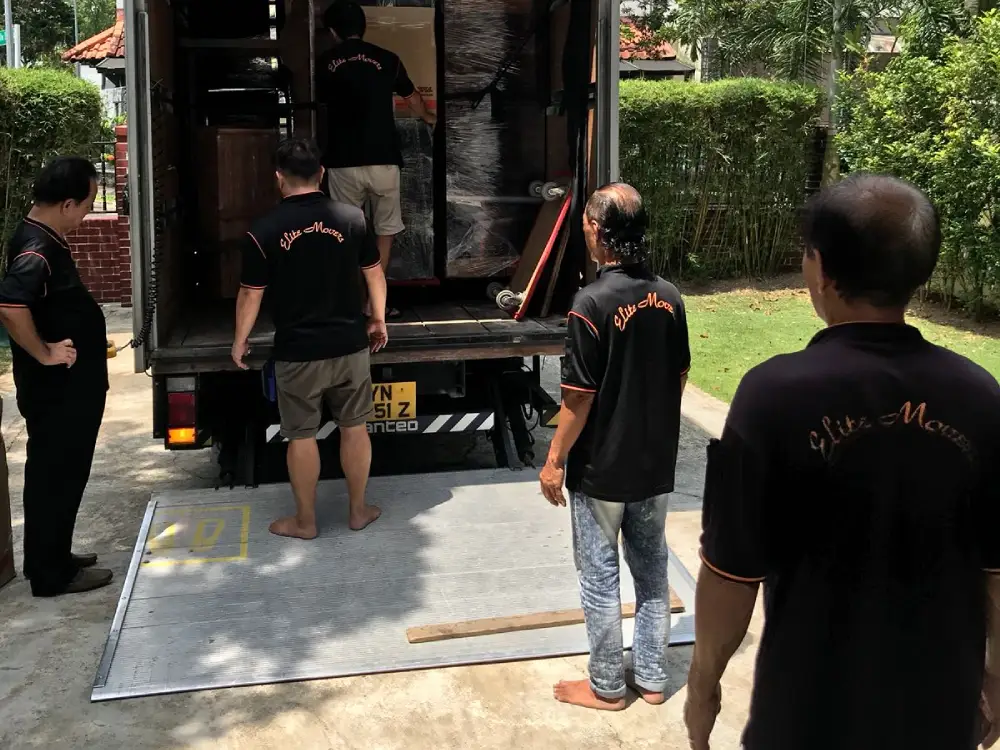
Singapore’s moving industry is well-regulated and companies are required to register with the Accounting and Corporate Regulatory Authority (ACRA). However, registration alone doesn’t guarantee quality service. The industry includes everything from budget-friendly local movers to premium international relocation specialists, each offering different service levels and pricing structures.
Understanding the options available such as – GPS tracking, online quotations, virtual assessments, free on-site assessments, free/lent resources, will help you make an informed decision that aligns with your requirements and expectations.
Essential Factors to Consider When Choosing a Moving Company
Factor 1: Company Licensing and Registration
The foundation of choosing a reliable moving company starts with verifying their legal status. All legitimate moving companies in Singapore must be registered with ACRA. And you can easily verify this through the BizFile portal.
Licensed companies are held to higher standards and are accountable for their services, giving you legal recourse if issues arise.
When verifying credentials, look for:
- Valid ACRA registration number
- Proper business address and contact details
- Work injury compensation insurance for employees (mandatory for manual labour businesses)
- Any industry certifications or memberships
Factor 2: Experience and Specialisation
The complexity of moving requires specific expertise, particularly for different types of relocations. Consider whether you need:
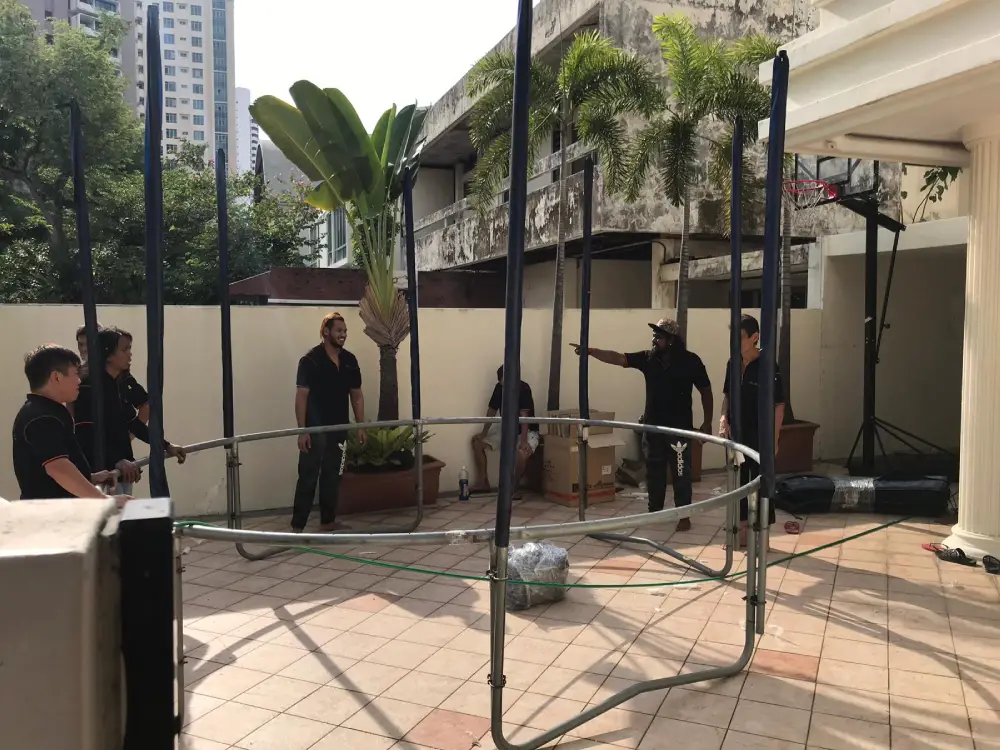
- Residential Moving: House movers who specialise in handling household items, furniture disassembly, and personal belongings. They understand building regulations for condominiums and HDB requirements
- Commercial Moving: Office movers who can handle IT equipment, minimise business downtime, and work within building management restrictions. Commercial moves often require specialised equipment and after-hours scheduling
- International Moving: Companies experienced with customs regulations, documentation, and overseas shipping requirements. These moves involve additional complexity with packing standards and international insurance
Companies with extensive experience (ideally 10+ years) will have established procedures, trained staff, and proven track records. They’re also more likely to have encountered and resolved various moving challenges. Knowing what you need ensures you choose a company with the right expertise.
Factor 3: Research Moving Companies in Singapore
Where to Start
Customer service reflects how a company operates. A professional moving company in Singapore should make you feel confident and supported throughout the process.
- Google Reviews & Facebook: Check ratings and customer feedback
- Forums & Expat Communities: Read posts on sites like HardwareZone or ExpatLiving
- Word of Mouth: Ask friends, family, or colleagues who recently moved
Pro Tip: Look for companies with consistently and overall positive feedback over several years, not just one-off reviews. Also take note of patterns in complaints or praises.
Questions to ask:
- Are they responsive to inquiries?
- Do they provide a detailed quotation upfront?
- Are the terms and conditions transparent?
Factor 4: Insurance Coverage and Protection Options
Moving insurance is crucial for protecting your belongings during transit. Always speak to the moving companies you are interested in and ask about the insurance and coverages they provide.
Here are a few things to consider:
- All-Risk Coverage: covering damages from accidents, mishandling, water damage, fire, and theft. This provides the broadest protection but comes at a higher premium
- Total Loss Coverage: Only compensates when your entire shipment is lost or destroyed. While more affordable, it offers limited protection for partial damage
- Declared Value Protection: Coverage based on the declared value of your goods. You must provide accurate inventories and valuations for claims to be honoured
- Transit Insurance: Covers goods from loading at origin until delivery at destination. Standard policies typically include 90 days of warehouse storage coverage
Factor 5: Understanding Moving Costs and Pricing Structures
Moving costs in Singapore vary significantly based on multiple factors. Understanding these will help you budget appropriately and avoid unexpected expenses.
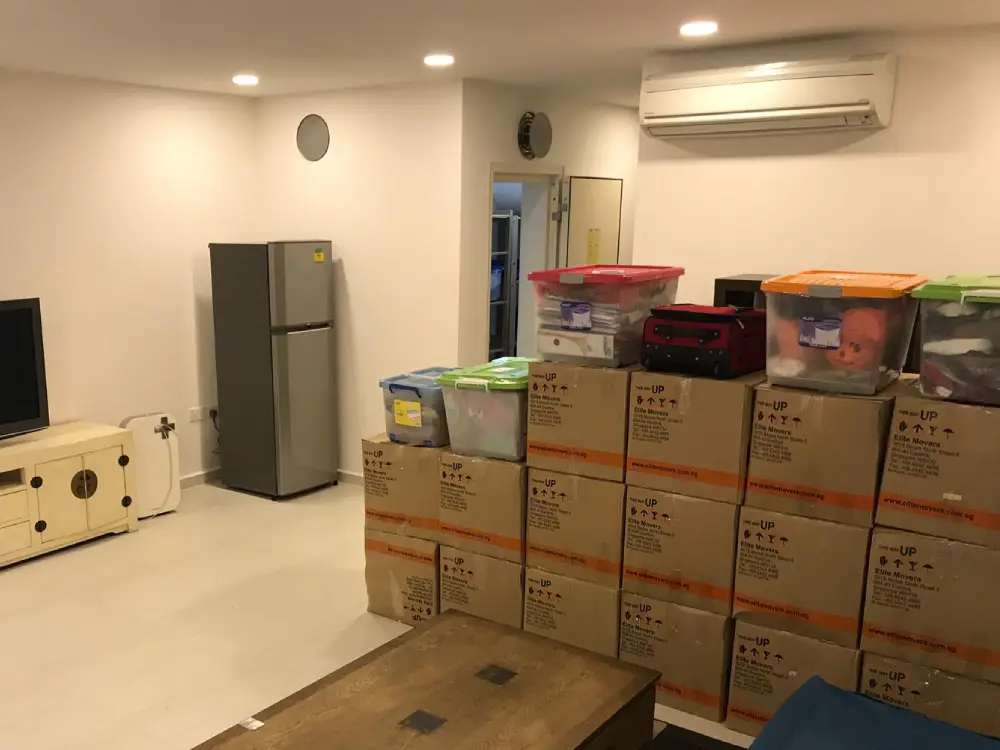
Factors Affecting Moving Costs
Size and Volume: Larger homes require more manpower, packing materials, and transportation capacity. Studio apartments typically cost $400-500, while landed properties can exceed $1,500.
Distance and Accessibility: Local moves within Singapore are generally less expensive than long-distance relocations. Additional charges may apply for stairs, long carrying distances, and restricted access areas.
Additional Services: Packing, unpacking, furniture disassembly, and storage services increase overall costs. However, these services often provide value by reducing your time investment and risk of damage.
Timing: Peak seasons (June-August, November-January) command premium rates from some moving companies due to higher demand. Moving during weekdays and off-peak seasons can result in significant savings.
(Also see: https://www.homejourney.sg/blog/moving-costs-singapore-2025-complete-price-breakdown-homejourney)
Typical Pricing Models
Fixed-Rate Packages: Many companies offer predetermined packages based on volume or home size. These provide cost predictability but may include services you don’t need.
Hourly Rates: Ranging from $70-120 per hour, this model works well for smaller moves but can be unpredictable for complex relocations.
Per-Trip Pricing: Based on the number of truck loads required. Most local moves require 1-3 trips depending on volume.
Factor 6: Contract Terms and Legal Considerations
Carefully reviewing contract terms protects your interests and clarifies expectations. Pay attention to:
- Service Scope: Detailed description of included services, timeline, and deliverable
- Payment Terms: Deposit requirements, payment schedule, and accepted methods
- Liability and Insurance: Coverage limits, claim procedures, and exclusions
- Cancellation Policy: Notice requirements, fees, and refund procedures
- Force Majeure: How unforeseen circumstances like weather delays are handled
Standard Industry Terms
Most reputable companies require 20-40% deposits and offer quotations valid for 30-60 days. Cancellation typically requires 7-14 business days notice, with partial deposit forfeiture for late cancellations.
Factor 7: Confirm the Moving Process
What to Ask Before Booking
Ask these questions before booking so you know what services you are entitled to and leave no room for surprises:
- How many movers will be on-site?
- What’s the estimated duration of the move?
- How do they handle fragile or bulky items?
- Is packing service optional or mandatory?
- Do they provide packing materials? If so, what would it be?
Key Questions to Ask Potential Moving Companies
Before making your final decision, you may research or ask these essential questions to evaluate each company thoroughly:
Operational Questions
- Are you a direct moving company or a broker who subcontracts the work?
- How long have you been in business, and what is your experience with moves similar to mine?
- Will you provide a binding written estimate with itemised costs?
- What services are included in your quoted price, and what additional charges might apply?
Practical Service Questions
- Will you conduct a pre-move site visit to assess requirements accurately?
- How do you protect furniture and property during the move?
- What is your policy for handling fragile or valuable items?
- Can you provide references from recent customers?
Insurance and Liability Questions
- What types of insurance coverage do you offer, and what are the liability limits?
- How do you handle claims for damaged or lost items?
- Do you carry work injury compensation insurance for your employees?
- What happens if there are delays due to weather or unforeseen circumstances?
Red Flags to Avoid When Selecting Movers
Recognising warning signs early can save you from moving disasters. Just last year, a moving company went on the news for not delivering customers’ belongings (CNA). Be cautious of companies that display these red flags:
Pricing and Payment Red Flags
Unrealistically Low Quotes: Companies offering prices significantly below market rates often use bait-and-switch tactics. They may quote “$288 per truck” but exclude essential services like manpower, packing materials, and stair charges, resulting in bills that double or triple the advertised rate.
Large Upfront Deposits: While reasonable deposits are normal, be wary of companies demanding large payments (over 50% of total cost) before services are rendered. Legitimate companies typically require 20-50% deposits to confirm bookings.
Cash-Only Payments: Professional companies accept multiple payment methods including bank transfers and credit cards. Companies insisting on cash-only payments raise concerns about legitimacy and accountability.
Service and Communication Warning Signs
No Written Contracts: Avoid companies unwilling to provide detailed, written agreements. Contracts should specify services, timelines, liability coverage, and terms clearly.
Lack of onsite assessment: Proper moving companies have on-site assessors available to determine the volume required for the move. If a company only does virtual assessment and also offer a low quote, beware that you might have to pay extra or the movers stop working because you have “too much” load/volume.
Vague Quotations: Legitimate movers provide itemised quotations after site visits or detailed assessments. Be suspicious of quotes given without understanding your specific requirements.
Poor Communication: Companies that are difficult to reach, provide inconsistent information, or fail to respond promptly during the planning phase will likely provide poor service during your actual move.
Conclusion
Choosing the right moving company in Singapore requires thorough research, careful evaluation, and clear communication of your requirements. Remember that the cheapest option isn’t always the best value. Professional moving services represent an investment in peace of mind and protection of your valuable belongings.
By verifying credentials, understanding insurance options, avoiding red flags, and comparing multiple providers, you can select a professional mover that ensures a smooth, stress-free relocation experience.
Take time to plan ahead, especially during peak seasons, and don’t hesitate to ask detailed questions about services, pricing, and policies. A reputable moving company will welcome your inquiries and provide transparent, comprehensive answers. With the right preparation and partner, your move can mark the beginning of an exciting new chapter with confidence and peace of mind.
